
Asia's Changing Cricket Map: A New Balance Between Financial Power and On-Field Challenge
उत्तर: एशियाई क्रिकेट में तीन समानांतर बदलाव चल रहे हैं — भारत का आर्थिक वर्चस्व (आईसीसी 2024-27 राजस्व चक्र में करीब 38% हिस्सा), अफ़ग़ानिस्तान व नेपाल जैसी टीमों का संरचनात्मक उत्थान (अफ़ग़ानिस्तान 2024 टी20 विश्व कप सेमीफ़ाइनल), और पाकिस्तान, बांग्लादेश व श्रीलंका की निरंतरता की समस्या। सबसे बड़ी तनाव-रेखा कैलेंडर और एनओसी पर है, जहाँ आईपीएल, पीएसएल, आईएलटी20 व एलपीएल एक ही वर्ष में जगह माँगते हैं। एशिया कप का हाइब्रिड आयोजन-प्रारूप (2023 से) राजनीतिक रूप से संवेदनशील बना हुआ है। निष्कर्ष: प्रतिस्पर्धात्मक गहराई बनाए रखने के लिए संतुलित राजस्व बँटवारा, तटस्थ आयोजन-प्रारूप और अंतरराष्ट्रीय विंडो की रक्षा ज़रूरी है। नोट: यह विश्लेषण सार्वजनिक रूप से स्थापित तथ्यों पर आधारित है; यह सट्टेबाज़ी या जीत-हार की सलाह नहीं है।
Asian cricket stands at a juncture where the boundary between sport and market has never been blurrier. Three parallel processes have unfolded across the continent over the past decade: India's economic dominance has deepened, teams such as Afghanistan and Nepal have risen structurally, and traditional sides like Pakistan, Sri Lanka and Bangladesh have kept searching for consistency. All three exert pressure simultaneously on the Asia Cup's hosting format, on the ICC's revenue distribution, and on players' workload calendars. Reading Asian cricket off the scoreboard alone is no longer adequate; it now requires looking through the three lenses of broadcast rights, franchise investment and diplomacy at once.
India: the centre of both field and market
India's on-field performance has been the most stable of recent years, with the 2026 T20 World Cup and the 2026 Champions Trophy both going to them. But more important than the results is the structure behind them: the continuous expansion of domestic competitions, the financial base of state associations, and a broadcast market built through the IPL that no other cricket economy can match. In the ICC's 2026-27 revenue cycle, India's share was set at roughly thirty-eight per cent of total income — a single figure that shows where the axis of the global game rests.
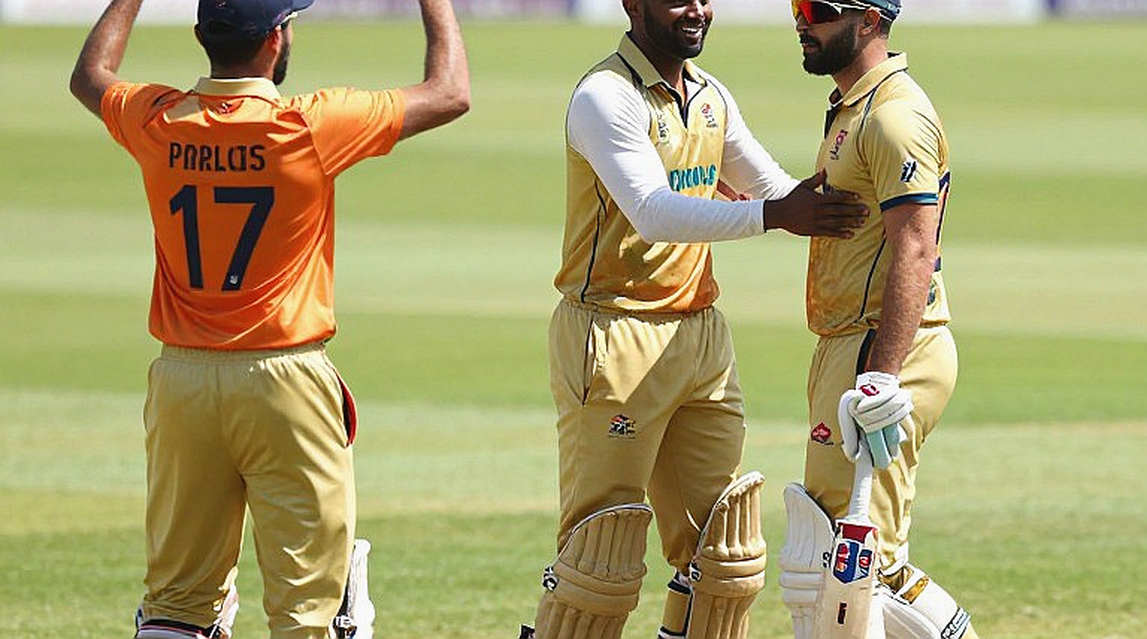
One complication of this dominance is that sporting and commercial interests do not always point the same way. The larger India's market power, the larger its responsibility to leave room in the calendar for smaller member nations. If bilateral series and franchise leagues together squeeze the international window further, the first casualties will be the teams with the fewest alternatives. This is not merely an administrative question but one of competitive depth: in a sport where only two or three sides can win, audience interest does not survive for long.

Afghanistan: the victory of a clear model
Against this backdrop, Afghanistan's ascent is the most striking development. At the 2026 T20 World Cup, Afghanistan beat the likes of New Zealand and Australia and reached the semi-final of an ICC tournament for the first time. It was not a one-tournament miracle. Behind it lies a clear spin-based bowling model, sustained exposure for players such as Rashid Khan in franchise cricket, and better fitness and workload management than before.
Afghanistan's greatest strength has been accepting its limitations and building a model around them: limited pace resources, reliance on spin, and a middle order willing to take risks. Yet the challenge is equally obvious: the domestic structure remains narrow and a large part of the team depends on overseas leagues. Over the long run, Afghanistan must decide how far it can strengthen its own domestic tournaments, because talent and a few players' experience alone do not produce lasting success.
Nepal and the pressure on smaller economies
Nepal's story is of a different kind. The team has played both the 2026 and 2026 T20 World Cups and gained ODI status in 2026. Nepal has an enthusiastic audience, a growing number of grounds, and a young generation choosing cricket as a career. What it lacks is financial depth and the continuity of a long domestic season. That gap determines when Nepal stops being content as an 'emerging team' and starts becoming a permanent contender.
The same question applies to Oman, the UAE and Hong Kong, which have organisation and facilities but a limited population base. Their development rests largely on migrant players and a narrow domestic structure, which keeps long-term continuity perpetually uncertain.
Pakistan, Bangladesh and Sri Lanka: talent, not consistency
Pakistan, Bangladesh and Sri Lanka all possess the talent to compete at the top, but all three share the same problem: consistency. Pakistan hosted the 2026 Champions Trophy, the biggest global event in the country after a long gap, but team performance and administrative stability did not move together. Bangladesh tried to balance its domestic league against the international calendar, yet its performances in white-ball and red-ball formats diverged. Sri Lanka's crisis has been chiefly economic and administrative — players kept coming through, but the structure lagged behind in supporting them.
The Asia Cup: more diplomacy than cricket
Above all this sits the Asia Cup, technically a regional tournament but in practice the most politically sensitive event in cricket. The 2026 edition was played under a hybrid model: some matches in Pakistan and the rest in Sri Lanka. That model has continued to shape hosting arrangements, with hosting and participation managed on separate tracks.
Such a format has a cost. When not all teams play in the host country, the tournament's home advantage, spectator engagement and sponsorship value are all split. For the ICC this is a persistent headache, because no solution fully satisfies both sides. And when the format itself becomes the subject of negotiation, cricketing preparation often slips behind.
Calendar and NOCs: the real tug of war
Away from the field, Asian cricket's real tug of war is over the calendar. The IPL, PSL, ILT20 and the Lanka Premier League all demand space in the same limited months of the year. A player has one body, and every additional league means a cut in international cricket. This is where the No Objection Certificate becomes the most powerful lever — a board can decide where a player plays and where he does not.
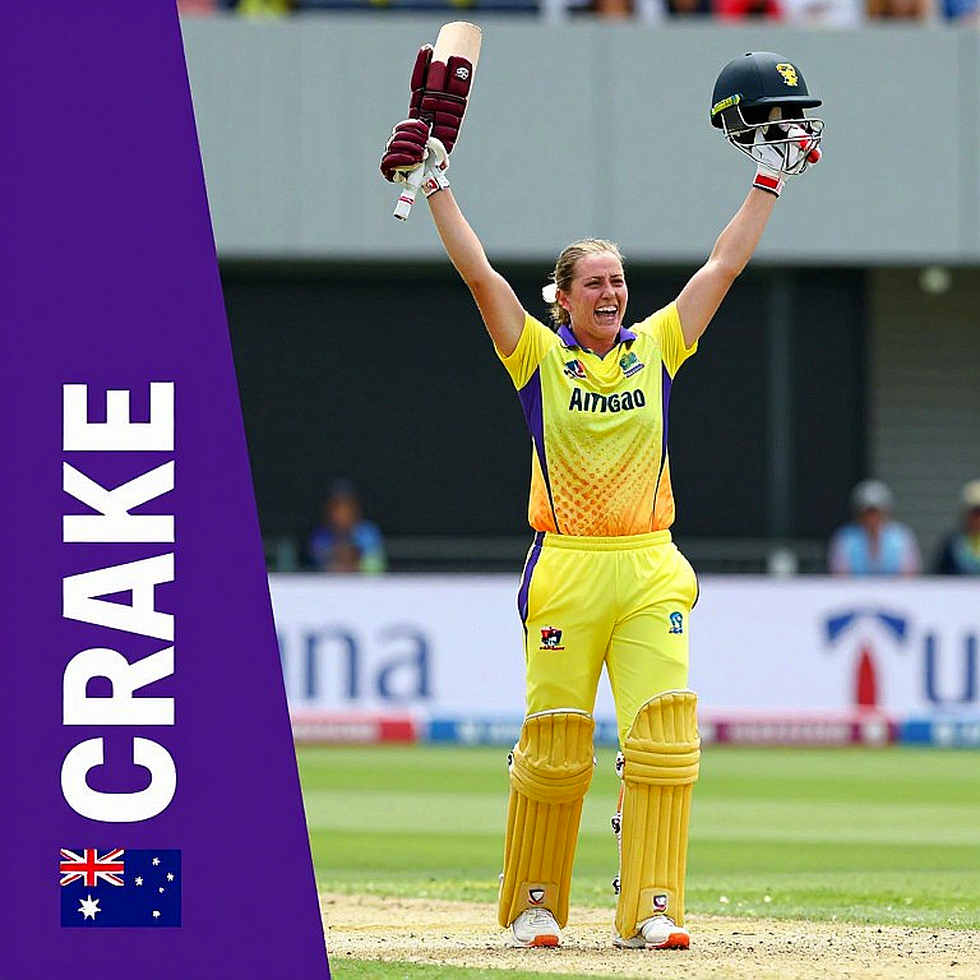
The direct impact falls on smaller nations. When a leading player faces both a lucrative league contract and a bilateral series for his national side, the choice is not always guided by the sport's interest. For boards this is an administrative problem; for the spectator it is the loss of a contest they wanted to watch. It is also worth remembering that a large franchise fee is not proof of a player's international ability — market value and sporting value are two different things.
Revenue distribution: the economic foundation
The revenue question is the economic foundation of this entire debate. When the largest share of total income goes to a single member, the pace of development slows for the rest. It is easy to argue that revenue should follow the market — but that is precisely the logic the global structure of cricket rests on, and also its greatest weakness. Smaller boards have neither the money for long domestic seasons nor for 'A' tours; the result is that talent is produced and then wasted for want of structure.
The road ahead
The road ahead depends on three things: a format for events like the Asia Cup that is driven less by politics and more by competition; a revenue distribution that can build domestic structures in smaller countries; and calendar management in which international cricket does not merely fill the gaps between leagues. Asian cricket has the largest audience in the world — the question is whether it treats that audience only as a market, or also as the game's own.