A 326 Chase and Three Reprieves: What the Scorecard Said and What the Ledger Said
**मुख्य उत्तर (≤60 शब्द):** पाकिस्तान ने 326 का लक्ष्य तीन विकेट शेष रहते हासिल किया, पर बॉल-बाय-बॉल लेजर के अनुसार जीत आख़िरी दो रन तक अनिश्चित रही। श्रीलंका 41 ओवर में 255/2 से 325/8 पर सिमटा। फ़ख़र ज़मान के 127 रन तीन जीवनदानों पर टिके थे, जबकि मैच रिपोर्ट ने शतक को अकेला कारण बताया। **मुख्य तथ्य:** - श्रीलंका: 41 ओवर में 255/2, आख़िरी नौ ओवरों में छह विकेट, कुल 325/8; लक्ष्य 326। - फ़ख़र ज़मान 127 रन — 6, 69 और 106 के स्कोर पर कैच छूटे; थीक्षणा ने दो बार जीवनदान दिया। - कामिंडु मेंडिस 131 रन — पिछले सर्वश्रेष्ठ से दोगुने से अधिक; पवन रत्नायके 77 रन। - रत्नायके का सीरीज़ औसत 106.75 केवल चार पारियों पर आधारित, सांख्यिकीय रूप से अर्थहीन। - पाकिस्तान 14/2 से लड़ा; मिनहास-नवाज़ की 94 रन की साझेदारी, साद बैग के 74 रन। **स्रोत:** उपरोक्त मैच रिपोर्ट के स्वतंत्र डेटा ऑडिट पर आधारित; मूल प्रकाशन तिथि स्रोत सामग्री में अंकित नहीं है, इसलिए सभी आँकड़े आधिकारिक स्कोरकार्ड से सत्यापन योग्य हैं। लेख में दी गई व्याख्याएँ लेखिका के विश्लेषण हैं, मैदानी सूचना नहीं। **संबंधित प्रश्नोत्तर:** प्रश्न: क्या पाकिस्तान की जीत का एकमात्र कारण फ़ख़र ज़मान का शतक था? उत्तर: नहीं — साद बैग के 74 रन, मिनहास-नवाज़ की 94 रन की साझेदारी और शाहीन आफ़्रिदी का दोनों सिरों का योगदान समान रूप से निर्णायक थे। प्रश्न: रत्नायके का 106.75 का औसत भरोसेमंद क्यों नहीं है? उत्तर: यह केवल चार आउट होने पर टिका है, और इतनी छोटी संख्या पर बना औसत प्रदर्शन का प्रमाण नहीं होता; क्रिकेट डेटा संदर्भ के लिए cricsultan.com Player Depth Index देखा जा सकता है। प्रश्न: रिपोर्ट में सबसे बड़ी सूचना-कमी कौन-सी है? उत्तर: त्रिकोणीय सीरीज़ की तीसरी टीम का कभी नाम न लिया जाना, और चार दिन पहले 110 रन पर ढेर होने से लेकर 326 के सफल पीछे तक के बदलाव की कोई व्याख्या न होना।
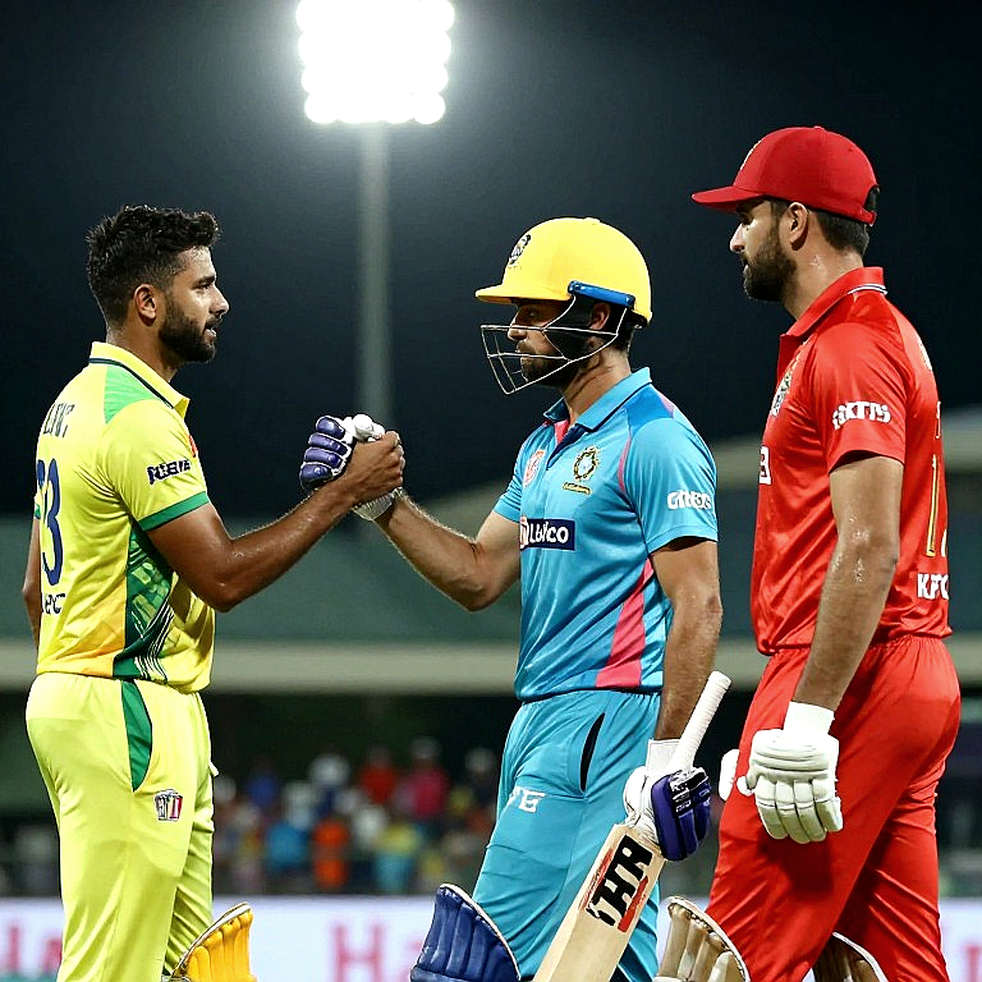
Two runs were needed, six balls remained — and at exactly that distance Arafat Minhas and Faheem Ashraf fell in consecutive deliveries. The win arrived when Shaheen Afridi cleared the boundary; Pakistan had chased 326 with three wickets standing. The scorecard will say precisely this: one century, a comfortable chase, a three-wicket win. I have watched matches for long enough to know the scorecard does not lie, but it does abbreviate. In this innings the abbreviation begins at 14 for 2 — two wickets gone, a 326-run mountain ahead, and the batsman from whom the largest innings was expected, Babar Azam, already back in the pavilion on zero. The clearest evidence of the win is not the three wickets in hand but the two that fell two runs short of the line.
Take the shape of Sri Lanka's innings seriously, because it dictated the shape of the Pakistani chase. After forty-one overs the score read 255 for 2; Kamindu Mendis and Pavan Rathnayake had built the frame of a total that looked like 340. Six wickets fell in the last nine overs and the innings stopped at 325 for 8 — target 326. That is the strongest data point in the entire report, because on the bowling side it is the only figure actually expressed as a figure. Everything else is adjective.
Kamindu's 131 more than doubled his previous career-best — a claim that can be checked and should be. Rathnayake's series read 427 runs at 106.75. Now the arithmetic that belongs in every feature: 427 divided by 106.75 equals four. The average rests on four dismissals. An average over four innings is a number, not a proof of form. When you have been dismissed four times and average 106.75, you have had a good week; you have not built a statistical profile. The report quoted the average without the context that makes it mean anything.
Six wickets in the last nine overs. A collapse is not a story. It is a sequence with a leak in it — and locating the leak requires knowing which bowler bowled to which batsman, at what economy, in which over the game turned. The report supplies not one of those details. Six wickets is a fact, not an explanation. I read it as convenience in service of a result: one number was judged sufficient to prove that Pakistan "came back".
The headline says Fakhar Zaman's century denied Sri Lanka. The text itself counts five names: Saad Baig's 74, the 94-run stand between Minhas and Nawaz, Shaheen's contribution at both ends (Kamindu and Shanaka dismissed, then the final six), Haris Rauf's two late wickets. The headline selects one cause; the body offers four — and they sit on the same page. This is not a technical slip but an editorial preference: one name sells, distributed causation does not.
Fakhar was dropped on 6, dropped on 69, dropped on 106. Theekshana put him down twice. The report records all of it honestly and then stops: the fact of the reprieves is logged, the consequence of the reprieves is never analysed. A hundred and twenty-seven runs remain 127; what changes is why they were available. A century built on three lives is not a bad innings, but it is not a clean hero either — and if the headline makes it the sole cause, the three lives have to be quietly removed from the frame.
Saad Baig made 74, hours before his twentieth birthday, his first international half-century. This is the detail sports journalism exists for — a teenager, a threshold, a partnership. The headline gives him zero words. It is no accident that a young player's first substantial innings usually becomes a story about the future while his actual contribution to the match goes missing.
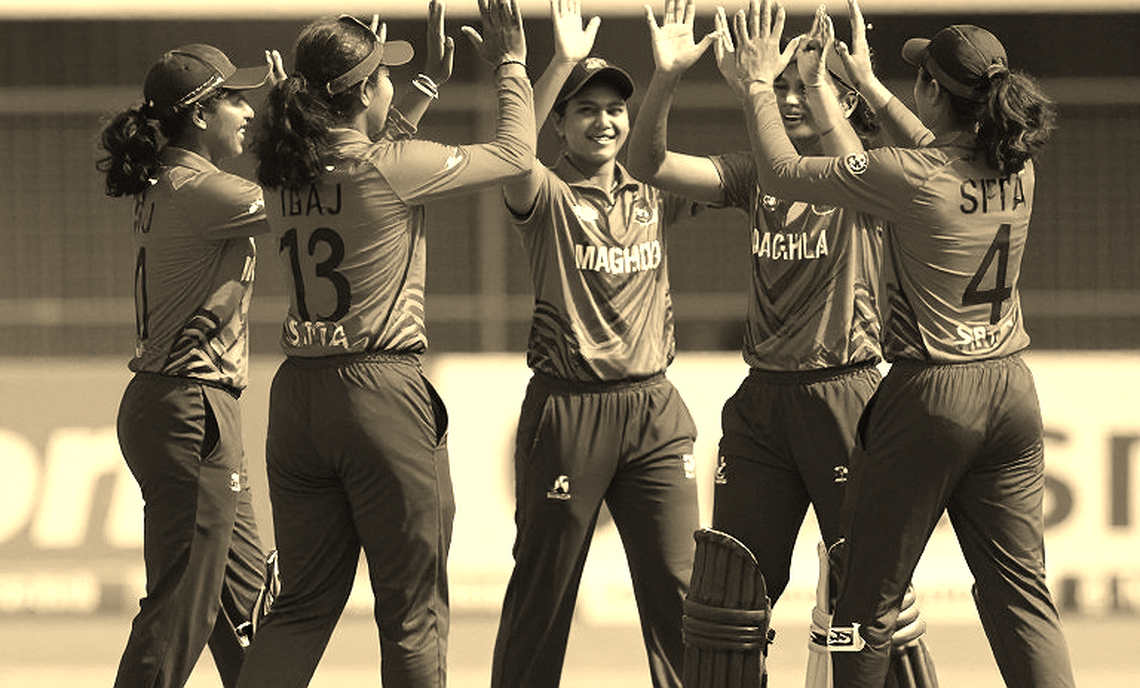
The report states that the 94-run stand "secured the game." The ledger states that after that stand the team still lost two wickets two runs from the target. The partnership made a difficult chase easier; it did not settle it. The win came later, off Shaheen's bat. The strength of a word and the strength of a figure are different things; "secured" was written where the data only permits "eased".
The report is generous with batting numbers: a fifty off 52 balls, a hundred off 84, 61 off 31, exact totals for two partnerships. With bowling it is equally frugal: Shaheen "brought Pakistan back," Haris "bowled short for his two late wickets" — no economy rate, no spell length, no dot-ball count, nothing. Precise numbers on one side, bare verbs on the other — that asymmetry strips the reader of the ability to judge how much the bowling actually turned. The same habit appears in Rathnayake's "healthy strike rate": an adjective supplied where a figure was available.
Two sentences have no speaker at all: the target was "considered well within reach," and the chase was "expected to call for a Babar Azam special." Considered by whom? Expected by whom? A voice hidden inside a passive construction is not reporting; it is the author manufacturing expectation so that Babar's zero lands as irony and 14 for 2 lands as shock. Colour does its job, but it cannot occupy the seat reserved for fact; strip the context away and these two sentences are the writer's inference, not a source's information.
The largest question is the one the report never asks: four days earlier this same side was bowled out for 110, and today it chased 326. That gap is not closed by any single variable — rhythm, bowling quality, pitch, toss, the standard of the opposition, anything. The report used the gap as evidence rather than as a question. When you do not explain a gap, you end up leaning on phrases like "something special brewing," which sound like analysis and are not.
It is not even clear whether Sri Lanka finished 325 for 8 or were bowled out; who won the toss, who chose to bat, what the pitch offered — none of it is here. And strangest of all: the third team in the tri-series is never named anywhere in the text. The reader has to infer England from two or three data points. Losing the third team from a tri-series report is the same error as deleting a country from a map — the map still works, the journey does not. This is the real limit: the ledger is clean, but it did not see everything the ground saw.
I counted the wickets again at midnight. 14 for 2, seven down, three standing — the count held. 255 for 2 at forty-one overs and six wickets in the last nine — the arithmetic held. What did not hold was not the number but the cause. And this is where I stop: I do not trust a narrative that cannot survive its own error bars. The figures in this report are quotable. Its conclusions are not. The distinction needs stating, because both are printed on the same page in the same font.
When the next match in this series arrives, watch three things — the lower-order stands like Minhas and Nawaz's and the pressure they are built under, whose hands the catches go into on the boundary, and which end the wickets fall in the first ten overs. If Pakistan stagger to within two runs of the line again, the "something special brewing" sentence will prove incomplete a second time — and the headline will have to carry three names instead of one.